

Wok Wiz Chinatown Walking Tours
Wok Wiz
Chinatown Walking Tours
Wok Wiz Walking Tours is the perfect way to explore all that Chinatown has to offer. Join us on the best walking tour of San Francisco’s Chinatown.
Wok Wiz Walking Tours is the perfect way to explore all that Chinatown has to offer. Join us on the best walking tour of San Francisco’s Chinatown.

“One of the top 100 things about San Francisco.”
Gourmet Magazine

“One of the best tours in San Francisco!”
The New York Times

“‘Not to Miss’ while in San Francisco, Wok Wiz is among the ‘top ten.’” Cooking Light Magazine
“One of the top 100 things about San Francisco.”
Gourmet Magazine
“One of the best tours in San Francisco!”
The New York Times
“‘Not to Miss’ while in San Francisco, Wok Wiz is among the ‘top ten.’” Cooking Light Magazine
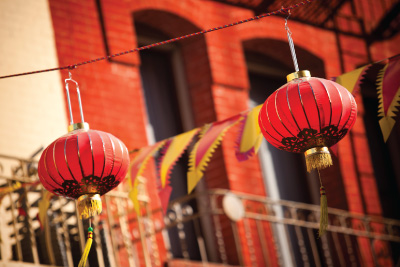
Wok Wiz
Classic Tour
The Wok Wiz Chinatown tour is offered on several times per week and is available as a walk only experience, or ending with a dim sum tasting luncheon. Hear fascinating stories about the first Chinese immigrants to arrive in San Francisco during the Gold Rush.
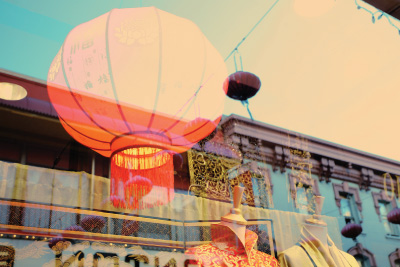
Chow Ciao!
Multicultural Stroll
What do China and Italy have in common, besides Marco Polo and noodles? Great love of family and too much fun. See changing neighborhoods with ethnic foods in diverse, colorful communities. Hear stories of history & folklore of these changing neighborhoods.
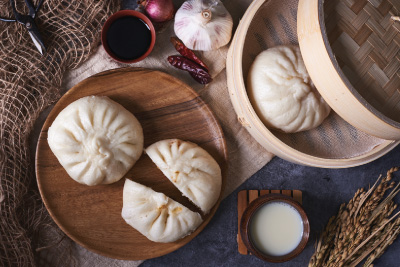
“I Can’t Believe I Ate My Way
though Chinatown” Tour
For food-lovers only! We are very serious about food and love to feed people! Experience one of San Francisco’s most popular destinations for visitors by eating your way through it. Enjoy tastings, tea shop visit, food focused stops and a hosted dim sum luncheon on this tour, while you learn about America’s largest Chinatown.

Wok Wiz Classic Tour:
A Winning combination!
“This tour is a nice combination of local and national history with an interesting variety of food choices at lunch. Our guide was well read and grown up in the area which added to our walk through the neighborhoods. A very pleasant morning.”
Wok Wiz Classic Tour:
An Absolute Smash!
“My wife, my adult son, and I could not have enjoyed the Wok Wiz tour more! Quock Dorothy: Nae Ho! Our tour guide gave us a warm, dynamic, and incredibly informative tour explaining the depth of the culture and history of Chinatown, Chinese culture, and the history of San Francisco. We finished with a Dim Sum lunch that was the best Chinese food I’ve ever had, aided by Dorothy’s good-humored chopstick coaching. The tour was a high point of our vacation. This should be a Do Not Miss for anyone visiting San Francisco.”
I Can’t Believe I Ate My Way Through Chinatown! Tour: A culinary treat!
“I had a ton of fun on the “I Can’t Believe I Ate My Way Through Chinatown ” tour. Frank, our host, was vivacious, fun and humorous and we ate SO well. I never would have tried some of the menu items – not that they were “scary” but I’d have stayed with something familiar and I loved almost everything. I particularly enjoyed the tea tasting. Great tour!”
Wok Wiz Chinatown Walking Tours
Visitors will find dim sum teahouses, shops, and restaurants frequented by locals. Experience Chinatown by wandering its back alleys, peek into herbal shops and Chinese temples of this historic neighborhood.

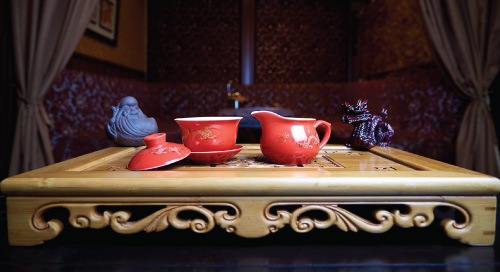
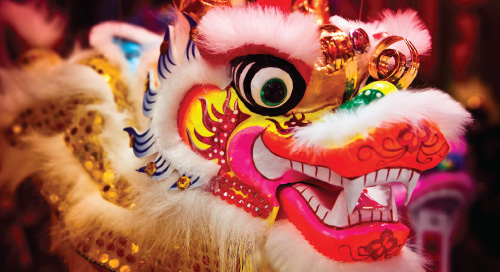
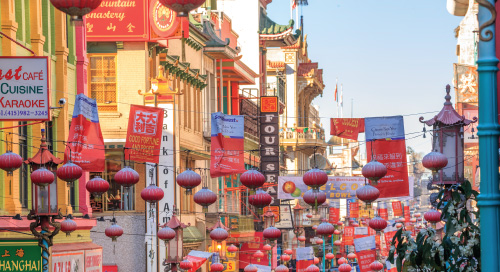
Wok Wiz Chinatown Walking Tours
Visitors will find dim sum teahouses, shops, and restaurants frequented by locals. Experience Chinatown by wandering its back alleys, peek into herbal shops and Chinese temples of this historic neighborhood.
Gift Cards are available! Call (650) 355-9657 to purchase.
Meet Our Team
We love to walk, talk, eat, and laugh with you!
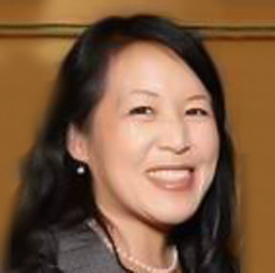
Tina Pavao, Owner
Shirley’s daughter, Tina will gladly assist with booking a tour. This former 4th grade teacher now works with the tour leader team in operating Wok Wiz.
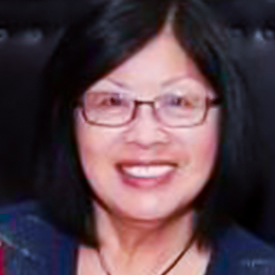
Lola Hom, Tour Leader
Born and raised in Chinatown, Lola was a member of the elite all-girls St. Mary’s Drum & Bugle Corps. Pleasant and engaging, she was a flight attendant for the FLYING TIGERS and is an extensive traveler.
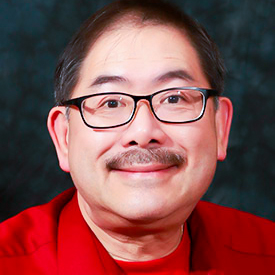
Frank Jang, Tour Leader
Frank grew up above the Wo Chong Bean Sprout Factory in Chinatown. He supports countless community fundraising events. Frank is currently the Vice President of the Association of Chinese Cooking Teachers.
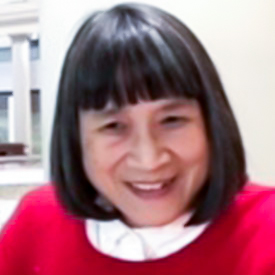
Gimmy Park Li, Tour Leader
Gimmy is a veteran of nearly 40 years as a public affairs program host and producer at KNBR Radio. In addition to leading Wok Wiz tours, she volunteers with the Presidio Park Stewards.
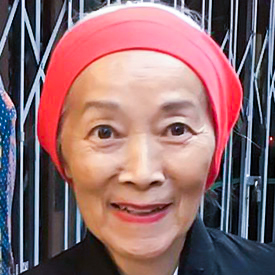
Dorothy Quock, Tour Leader
Dorothy receives rave reviews for her wonderful tours. Born in Chinatown, she has been with Wok Wiz since 1991. Dorothy spent a year in China writing a guide book.
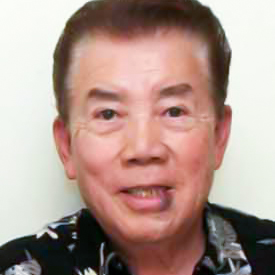
Hank Quock, Tour Leader
Hank is the former president of the Association of Chinese Cooking Teachers, and also a performer. Born and raised in Chinatown, Hank taught Chinese cooking for 25 years and is a retired restaurant owner.

Emily Soo, Tour Leader
Emily was born in Santa Rosa and resides in San Francisco’s Chinatown. She spent many years in the hotel and restaurant industry, including “high tea” service at the Garden Court in the Palace Hotel.
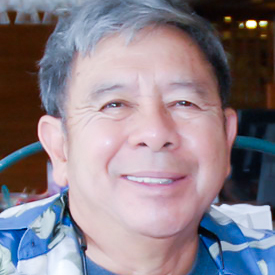
Herman Young, Tour Leader
Besides being a tour leader, Herman coaches badminton, and basketball at several Bay Area schools. He has been a Chinese New Year’s Parade float driver for the past 15 years.

Meet Our Team
We love to walk, talk, eat, and laugh with you!
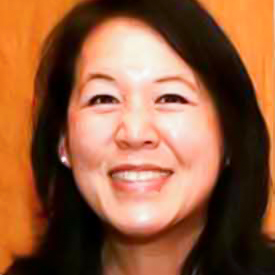
Tina Pavao, Owner
Shirley’s daughter, Tina will gladly assist with booking a tour. This former 4th grade teacher now works with the tour leader team in operating Wok Wiz.
Lola Hom, Tour Leader
Born and raised in Chinatown, Lola was a member of the elite all-girls St. Mary’s Drum & Bugle Corps. Pleasant and engaging, she was a flight attendant for the FLYING TIGERS and is an extensive traveler.
Frank Jang, Tour Leader
Frank grew up above the Wo Chong Bean Sprout Factory in Chinatown. He supports countless community fundraising events. Frank is currently the Vice President of the Association of Chinese Cooking Teachers.
Gimmy Park Li, Tour Leader
Gimmy is a veteran of nearly 40 years as a public affairs program host and producer at KNBR Radio. In addition to leading Wok Wiz tours, she volunteers with the Presidio Park Stewards.
Dorothy Quock, Tour Leader
Dorothy receives rave reviews for her wonderful tours. Born in Chinatown, she has been with Wok Wiz since 1991. Dorothy spent a year in China writing a guide book.
Hank Quock, Tour Leader
Hank is the former president of the Association of Chinese Cooking Teachers, and also a performer. Born and raised in Chinatown, Hank taught Chinese cooking for 25 years and is a retired restaurant owner.
Emily Soo, Tour Leader
Emily was born in Santa Rosa and resides in San Francisco’s Chinatown. She spent many years in the hotel and restaurant industry, including “high tea” service at the Garden Court in the Palace Hotel.
Herman Young, Tour Leader
Besides being a tour leader, Herman coaches badminton, and basketball at several Bay Area schools. He has been a Chinese New Year’s Parade float driver for the past 15 years.
Wok Wiz Daily Tour: An Absolute Smash!
“My wife, my adult son, and I could not have enjoyed the Wok Wiz tour more! Quock Dorothy: Nae Ho! Our tour guide gave us a warm, dynamic, and incredibly informative tour explaining the depth of the culture and history of Chinatown, Chinese culture, and the history of San Francisco. We finished with a Dim Sum lunch that was the best Chinese food I’ve ever had, aided by Dorothy’s good-humored chopstick coaching. The tour was a high point of our vacation. This should be a Do Not Miss for anyone visiting San Francisco.”
Wok Wiz Daily Tour: A Winning combination!
“This tour is a nice combination of local and national history with an interesting variety of food choices at lunch. Our guide was well read and grown up in the area which added to our walk through the neighborhoods. A very pleasant morning.”
I Can’t Believe I Ate My Way Through Chinatown! Tour: A culinary treat!
“I had a ton of fun on the “I Can’t Believe I Ate My Way Through Chinatown ” tour. Frank, our host, was vivacious, fun and humorous and we ate SO well. I never would have tried some of the menu items – not that they were “scary” but I’d have stayed with something familiar and I loved almost everything. I particularly enjoyed the tea tasting. Great tour!”